
Long Beach Soft-Story Retrofit Services

What do I need to do?
Medro Engineering provides complete engineering support throughout all phases of the retrofit process:
Soft-Story Screening
Complete the Screening (Form 062)
A licensed engineer inspects your building and submits Form 062 to the City.
If needed → Prepare Retrofit Plans
If your building is not exempt, a full retrofit engineering plan set must be submitted.
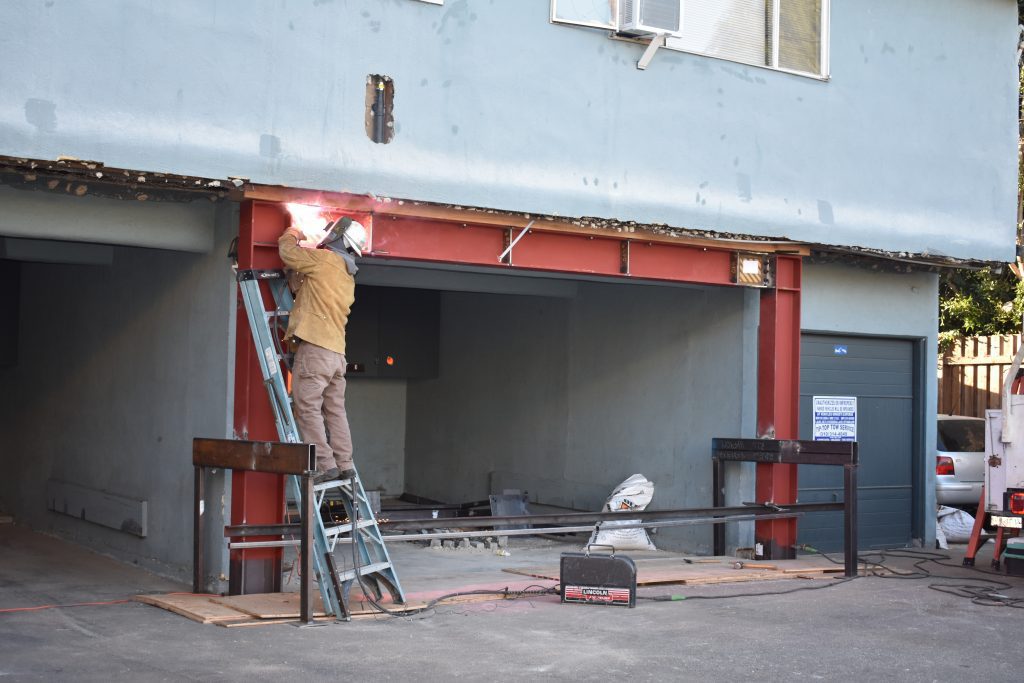
Retrofit Construction
Contractor pulls the permit, performs the work, and the project receives final approval
Quick Summary for Property Owners
Does my building need soft story retrofit?
You must comply if your building is:
- Wood-framed
- Built before 1978
- Two stories or more
- Has tuck-under parking or open areas at the ground level
- Identified by the City as a potential Soft, Weak, or Open-Front (SWOF) building
If you received a Notice to Comply, you are officially part of the program.
How long do I have?
How Medro helps:
We handle everything:
- Engineering inspection
- Form 062
- Form 063 (exemption, if applicable)
- Retrofit engineering plans
- City submittals & corrections
- Structural observation during construction
- Final sign-off support

What do I need to do?
Complete the Soft-Story Screening (Form 062)
A licensed engineer inspects your building and submits Form 062 to the City.
If needed → Prepare Retrofit Plans
If your building is not exempt, a full retrofit engineering plan set must be submitted.
Retrofit Construction
Contractor pulls the permit, performs the work, and the project receives final approval

Learn More About The Process
- City of Long Beach Soft-Story Program
- Soft-Story Screening (Form 062)
- Retrofit Engineering Plan Set
- Permit Phase
- How Medro Engineering Supports You
- Culver City-specific considerations
Long Beach is developing a Building Seismic Resiliency Program to reduce the risk of older wood-frame buildings collapsing during earthquakes. According to City documents, thousands of residential units are in buildings built before 1978 that may have Soft, Weak, or Open-Front (SWOF) wall lines.
Buildings that must comply include:
- Wood-frame buildings
- Built before January 1, 1978
- Two or more stories
- Contain tuck-under parking or large ground-floor openings
- One or more floors located above an open floor line
These buildings are vulnerable because the lowest level lacks the lateral strength needed to resist earthquake forces.
Your Notice to Comply = Your Deadline Clock
The deadlines do not start when the ordinance began. They start from the exact date printed on your building’s Initial Notification Letter
This is the first mandatory step. You must:
- Hire a licensed engineer
- Have the building evaluated
- Submit Form 062 within 360 days of the notice date
- This form is used to confirm:
- Whether your building is truly a SWOF
- Whether previous strengthening already eliminated the condition
- Whether inventory details need correction
If your building is exempt:
The engineer will submit Form 063 and the building is removed from the list.
If retrofit is required:
You proceed to full engineering plans
If the building must be strengthened, Medro prepares a complete plan set, including:
- Site plan & floor plans
- SWOF identification
- Lateral load path evaluations
- Shear wall / moment frame design
- Foundation analysis & upgrades
- Diaphragm evaluation
- Collector & drag strut detailing
- Material and hardware specifications
- All required calculations
- City-required notes and submittal items
These plans are submitted to Long Beach Development Services for review
After plans are approved:
- The contractor pulls the permit
- Pre-construction coordination occurs
- Structural observation requirements are set
Construction Phase
Medro provides:
- Structural observation visits
- RFI support
- Guidance on critical stages
- Coordination with the City inspector
Final Approval
When construction is complete:
- The City performs a final inspection
- Final sign-off is issued
- Your building is listed as “retrofit completed”
- End-to-end engineering: We manage every step from initial screening to final approval.
- Experience with soft-story buildings: We specialize in multifamily wood-frame structures across Southern California.
- Fast turnaround: We understand your notice date triggers strict deadlines.
- Professional documentation: Clean, complete engineering packages reduce City corrections.
- HOA & Multifamily Expertise: We coordinate communication for managers, tenants, and owners.
Culver City reviewers typically look for:
- Clear identification and justification of SWOF wall lines
- Required cover-sheet notes and general notes specific to the SWOF program
- Compliance with material strength limitations and detailing requirements
- Appropriate structural observation commitments
- Shear wall lengths, drift limits, and seismic force-resistance system R-values that match code and local requirements
- Proper collector and drag strut design and detailing
- Foundation upgrades in line with CBC Chapters 18 and 19 as adopted and amended
- Anchorage and stability provisions for hillside or sloping sites
- Demonstrated continuity of the seismic load path from roof to foundation
Tenant notification and Housing Division requirements
For occupied buildings, Culver City may require:
- Written notification to current and prospective tenants
- Tenant protections when conditions are temporarily untenantable
- A Tenant Impact Mitigation Plan (TIMP) outlining how construction will affect residents
- Housing Division clearance before certain permits or work proceed
Medro can assist with the engineering-related portions of these requirements and coordinate with property managers and ownership teams.
Capital improvement pass-through (optional for owners)
Culver City may allow owners to recover a portion of eligible retrofit costs through regulated rent increases, subject to:
- Timely application after project completion
- Documentation and verification of eligible costs
- Amortization limits
- Annual caps on rent increases
We can help document engineering and design-related expenses as part of an owner’s larger pass-through strategy.
Frequently Asked Questions
The City’s letter means your building was identified as a potential Soft, Weak, or Open-Front (SWOF) building. In simple terms, the City believes your building may be vulnerable in an earthquake and is asking you to confirm the information and, if needed, consider strengthening.
Not necessarily. It means your building may be more vulnerable to earthquake damage compared to newer buildings or those that have already been strengthened. The screening step is meant to understand your actual condition and confirm the City’s inventory.
Yes. SWOF buildings are what most people call soft-story buildings; usually older wood-frame apartments with tuck-under parking or big openings at the ground floor and units above.
If you received a Notice / Initial Notification Letter from the City about SWOF or soft-story conditions, your property is in the inventory and you are expected to respond using the City’s forms.
Form 062 is the Soft-Story Screening Form. A property owner (and in many cases an engineer) uses it to:
- Confirm the City’s information
- Indicate if previous strengthening has already been done
- Help the City finalize its list of soft-story buildings
It’s the City’s way of cleaning and confirming the SWOF inventory.
Form 063 is the Request for Removal Form. It is prepared and signed by a licensed design professional if:
- The building has already been properly strengthened, or
- The building does not actually meet the definition of a SWOF building
If accepted, your building is removed from the SWOF inventory.
The City is currently in the inventory and outreach phase and is updating its program for SWOF buildings. Responding to the City and screening your building is part of that process. Seismic strengthening is strongly encouraged and may become more formalized or mandatory in the future as the program develops.
If the evaluation shows that retrofit is recommended, the next step is:
- Prepare a seismic retrofit plan set (by a licensed engineer)
- Submit plans to the City for review and permit
- Have a contractor complete the work, with engineer and City inspections
We can handle the engineering and help you navigate each of those steps.
It depends on your starting point:
- Screening only (Form 062): Typically days to a few weeks after site visit
- Full retrofit design: Usually a few weeks, depending on building size and complexity
- Construction: Varies by contractor and scope; often measured in weeks, not days
We can give you a more specific timeline after we review your building and your City letter.
1. Medro Engineering:
- Evaluates your building
- Completes Form 062 and, if applicable, Form 063
- Prepares seismic retrofit plans and calculations
- Responds to City plan-check comments
- Provides structural observations during construction
2. Contractor:
- Performs the actual construction work
- Pulls the building permit
- Coordinates with our office and City inspectors during construction
Yes. You can send us a copy of your Notice / Initial Notification Letter, and we’ll:
- Explain what the City is asking for
- Confirm which forms you need
- Outline the recommended next steps and a proposed scope of work